
The Allure of Risk and Reward
The fundamental attraction of casino games lies in the psychology of risk and reward. Humans are naturally drawn to uncertainty, and casinos capitalize on this instinct. The thrill of placing a bet and anticipating the outcome creates a rush of adrenaline that many find irresistible. Studies show that this excitement can trigger the release of dopamine, the brain’s feel-good chemical, which reinforces the desire to engage in gambling activities. For example, players who enjoy online games might explore options like neosurf casino australia , where a player’s emotional response to the possibility of winning can amplify their commitment to the game, often leading to prolonged play sessions. Additionally, the mere act of betting itself can become a source of excitement, where the potential for a big win outweighs the fear of loss.
Moreover, the concept of intermittent reinforcement plays a critical role in maintaining player engagement. In simple terms, this means that rewards are given out unpredictably, which keeps players guessing and invested. One win among many losses can lead to a phenomenon known as the ‘near-miss effect,’ where players feel close to winning, thereby encouraging them to continue playing in hopes of eventually securing a payout. This psychological manipulation keeps the thrill alive, ensuring that the experience remains stimulating, even when outcomes are unfavorable. As players chase that elusive win, they often become entrenched in a cycle of continuous betting, driven by the hope of breakthrough success.
Casinos also employ various strategies, such as prize schemes and loyalty programs, to heighten the sense of reward. These programs tap into the innate human desire for achievement and recognition. When players receive rewards, whether through bonuses or free spins, they experience a sense of accomplishment that fosters ongoing participation. By strategically placing rewards throughout the gameplay, casinos can maintain an engaging environment that promotes continuous play and an emotional connection to the games. This use of rewards not only enhances enjoyment but also solidifies the bond between players and the gaming experience, often leading to increased spending.
The Role of Environment in Gambling
The environment in which casino games are played significantly impacts players’ psychology. Entering a casino is often akin to stepping into a different world, one designed specifically to heighten excitement and immersion. From the carefully curated lighting and sounds to the layout of the gaming floor, every element is crafted to create a sense of euphoria. Bright colors, the sounds of coins clinking, and the buzz of excitement all contribute to a stimulating atmosphere that entices players to engage in gambling activities. This sensory experience is meticulously designed to keep players alert and engaged, drawing them into the thrill of the moment.
Research indicates that the sensory overload experienced in a casino can lead to disorientation, which may diminish a player’s ability to think rationally about their betting choices. This is a deliberate tactic employed by casinos to amplify the feeling of excitement. When players are overwhelmed with sensory cues, they are more likely to make impulsive decisions, often leading to further gambling. The incorporation of comfortable seating, free drinks, and accessible gaming machines can extend a player’s stay, allowing the casino to maximize their potential earnings. This carefully crafted environment serves to enhance emotional responses and encourage longer and more frequent gambling sessions.
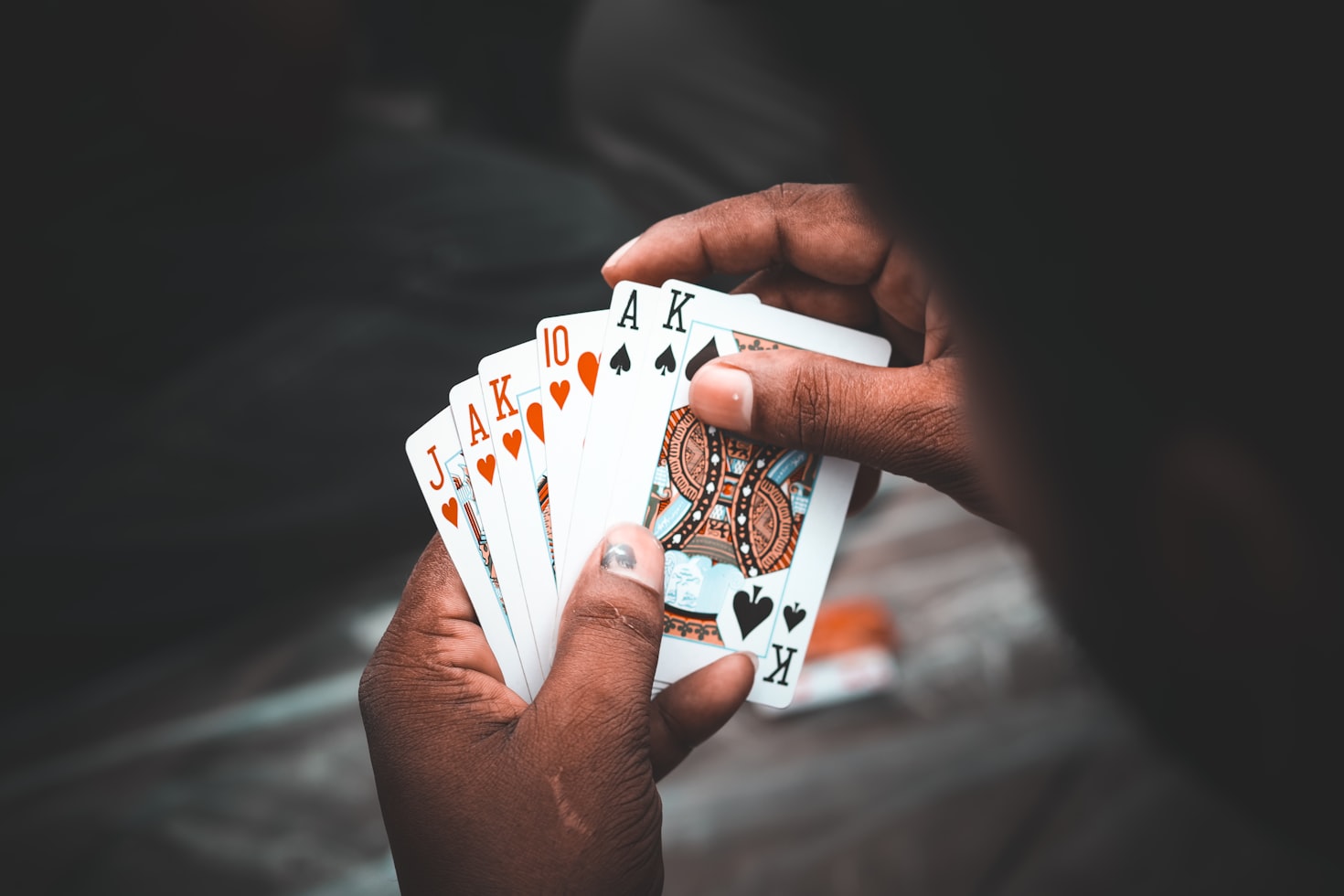
Another component to consider is the social aspect of gambling. Many players prefer to engage in games that involve interaction with others, such as poker or blackjack, which fosters a communal atmosphere. This social dynamic enhances the overall experience, allowing players to share the highs and lows of their gambling journey. When placed in a vibrant environment with like-minded individuals, the thrill of winning becomes a shared joy, reinforcing the psychological incentive to continue playing. The combination of social interaction and a stimulating environment contributes to a sense of belonging, further motivating players to participate in games.
The Impact of Cognitive Biases
Cognitive biases play a significant role in how players experience casino games. One common bias is the gambler’s fallacy, which leads individuals to believe that past events can influence future outcomes. For instance, if a roulette wheel has landed on red several times in a row, a player might mistakenly believe that black is now ‘due’ to appear. This misconception can lead to irrational betting strategies and increased wagering beyond their means. Such cognitive distortions can obscure the understanding of the true nature of chance, leading players to chase losses instead of adopting a more rational approach.
Additionally, confirmation bias can affect a player’s perception of their performance. When individuals win, they often attribute this success to skill or strategy, while losses are dismissed as mere chance. This tends to create an inflated sense of competence that encourages continued play. Players may seek out information that supports their belief in their abilities without acknowledging the inherent randomness of casino games. This flawed reasoning can result in significant financial losses as players chase perceived ‘lucky’ strategies. Recognizing these biases is essential for players who wish to maintain a healthy relationship with gambling.
It is vital for players to recognize these cognitive biases and their potential implications. Understanding that casino games are fundamentally designed for entertainment rather than profit can promote healthier gambling habits. By adopting a more rational approach and recognizing the influence of cognitive biases, players can make informed decisions, reducing the chances of excessive gambling and its subsequent impacts on their mental and financial well-being. Education about these biases can empower players to critically analyze their gambling behaviors, leading to more responsible decision-making.
The Psychological Mechanisms of Addiction
The potential for addiction is a critical aspect of the psychology behind casino games. Gambling addiction is a complex issue that can develop due to the interaction of psychological, biological, and social factors. Individuals with a predisposition to addiction may find themselves drawn to the thrill of gambling, with casino games providing an escape from everyday stresses. The release of dopamine during gambling activities can create a cycle of reward that is difficult to break, leading to compulsive gambling behaviors. This cycle can perpetuate a pattern where the individual continually seeks the next high, often at the expense of their well-being.

The normalization of gambling in society also contributes to this phenomenon. With the increasing availability of online gambling platforms and the portrayal of gambling in media, individuals may become desensitized to the risks associated with excessive gambling. This exposure can create a false sense of security, making it easy for individuals to rationalize their gambling behaviors. Furthermore, the social stigma surrounding addiction often prevents individuals from seeking help, compounding the issue and leading to further financial and personal distress. The environment in which gambling occurs can often mask the severity of the problem until it becomes unmanageable.
Addressing gambling addiction requires a multifaceted approach. Education and awareness programs can help inform individuals about the risks associated with casino games and instill a sense of responsibility in players. Encouraging self-exclusion options and support systems within casinos can also assist those at risk of developing gambling problems. Understanding the psychological mechanisms underlying addiction is crucial for both individuals and the gambling industry in fostering a responsible gaming environment. By promoting awareness and providing resources, the industry can play a significant role in helping individuals manage their gambling behavior effectively.
Exploring Responsible Gaming Practices
Responsible gaming is an essential aspect of the casino landscape, emphasizing the need for players to engage with games in a controlled and conscious manner. By understanding the psychological factors that drive gambling, both players and casinos can work together to promote safer gaming environments. Casinos have increasingly recognized their role in fostering responsible gambling practices, implementing measures such as setting betting limits and offering self-exclusion programs. These practices are designed to protect players and encourage them to play within their means, thus reducing the risk of harmful gambling behaviors.
Moreover, educational initiatives can guide players in recognizing the signs of unhealthy gambling habits. By raising awareness about the psychological effects of gambling and informing players about responsible gaming strategies, casinos can empower individuals to make informed decisions. This could include encouraging breaks during gaming sessions, setting personal spending limits, and promoting a balanced approach to leisure activities. Such strategies can assist players in enjoying their gaming experiences while minimizing the risks associated with excessive gambling. Through these measures, casinos can foster a culture of responsibility that prioritizes player welfare.
Ultimately, the health and safety of players should be the primary focus of any gambling establishment. Ensuring that players have access to the resources they need to stay in control is crucial for creating a sustainable and enjoyable gaming environment. As the understanding of gambling psychology evolves, so too must the practices and policies surrounding responsible gaming, ensuring that the excitement of casinos is complemented by a commitment to player well-being. A proactive approach to responsible gaming can lead to a more positive relationship between players and gaming establishments, promoting a healthier gambling culture.